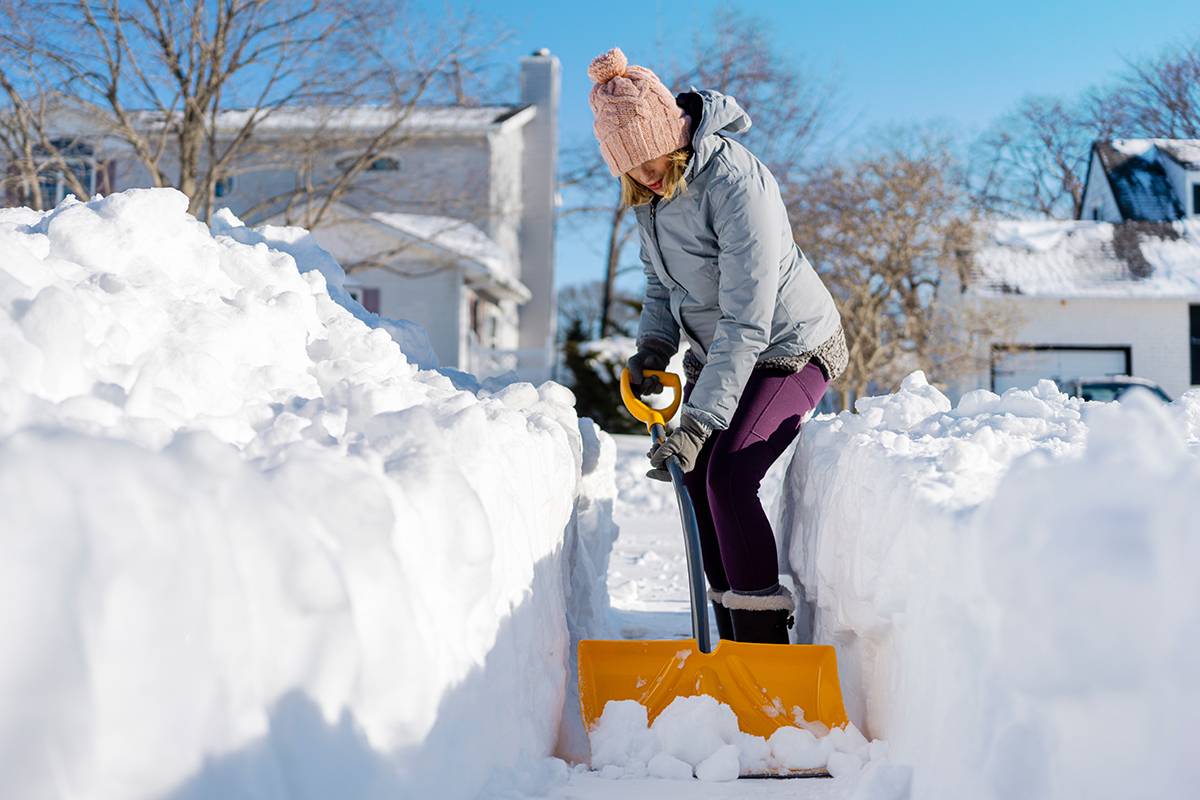
It's winter in New Jersey, and that means one thing is inevitable: snow shoveling. Every year after a big snowfall, we see an increase in clients coming in with back pain, shoulder strain, and muscle soreness from shoveling.
Snow shoveling is actually one of the most common causes of back injuries during winter months. A shovel full of wet snow can weigh 20 pounds or more, and the repetitive bending and twisting motion puts tremendous stress on your spine and muscles.
The good news? Most shoveling injuries are preventable with proper technique and preparation.
Before You Shovel
Warm Up First
You wouldn't start a workout without warming up, and shoveling is definitely a workout. Spend 5-10 minutes warming up before you head outside:
- March in place or walk up and down stairs
- Do some gentle arm circles and shoulder rolls
- Stretch your hamstrings, lower back, and shoulders
- Get your blood flowing before you pick up that shovel
Choose the Right Shovel
Not all shovels are created equal:
- Ergonomic shovels with a curved handle reduce the amount of bending required
- Lighter shovels (plastic vs. metal) reduce the overall weight you're lifting
- A smaller blade means less snow per scoop — you'll make more trips but with less strain
- Push shovels are great for light snow since you push rather than lift
Dress Appropriately
Wear layers that allow you to move freely. Cold muscles are more prone to injury, so staying warm is important. Wear boots with good traction to prevent slipping.
Proper Shoveling Technique
1. Push, Don't Lift
Whenever possible, push the snow to the side rather than lifting it. This puts significantly less strain on your back.
2. Lift with Your Legs
When you do need to lift, bend at the knees and hips, not at the waist. Keep your back straight and use the power of your leg muscles to lift. Your legs are much stronger than your back muscles.
3. Keep the Load Close
Hold the shovel close to your body. The farther the weight is from your center of gravity, the more strain it puts on your back.
4. Never Twist
This is the biggest mistake people make. Don't twist your body to throw snow. Instead, turn your entire body by moving your feet. Twisting while lifting is the #1 way to injure your back while shoveling.
5. Take Breaks
Don't try to clear your entire driveway in one go. Take breaks every 15-20 minutes. Stand up straight, walk around, and drink some water.
6. Pace Yourself
If it's a heavy snowfall, consider shoveling in stages rather than waiting until it's all done snowing. Shoveling 4 inches twice is much easier on your body than shoveling 8 inches at once.
After You Shovel
Stretch Again
Take a few minutes to stretch when you come inside. Focus on your lower back, hamstrings, shoulders, and arms.
Apply Heat
If you're feeling sore, a warm shower or heating pad can help relax tight muscles and increase blood flow.
Stay Hydrated
You may not feel thirsty in the cold, but shoveling is hard work and you lose fluids through sweat. Drink water before, during, and after.
When to Get Help
If you're experiencing any of these after shoveling, it's time to seek treatment:
- Pain that doesn't improve after a day or two of rest
- Sharp, shooting pain (especially down the legs)
- Numbness or tingling in the arms or legs
- Muscle spasms that don't let up
- Difficulty standing up straight
How Massage Therapy Helps
Whether you're preparing for a big storm or recovering from one, massage therapy can help:
- Before shoveling season: regular massage keeps muscles flexible and less prone to injury
- After shoveling: releases muscle tension, reduces inflammation, and speeds recovery
- Treating injuries: addresses specific muscle strains, trigger points, and compensatory patterns
Don't wait until you're in pain. If you've been out shoveling and feel that familiar tightness creeping in, book an appointment sooner rather than later. It's much easier to treat muscle tension before it becomes a full-blown injury.
Stay safe out there, and remember — your back is more important than a perfectly clear driveway!