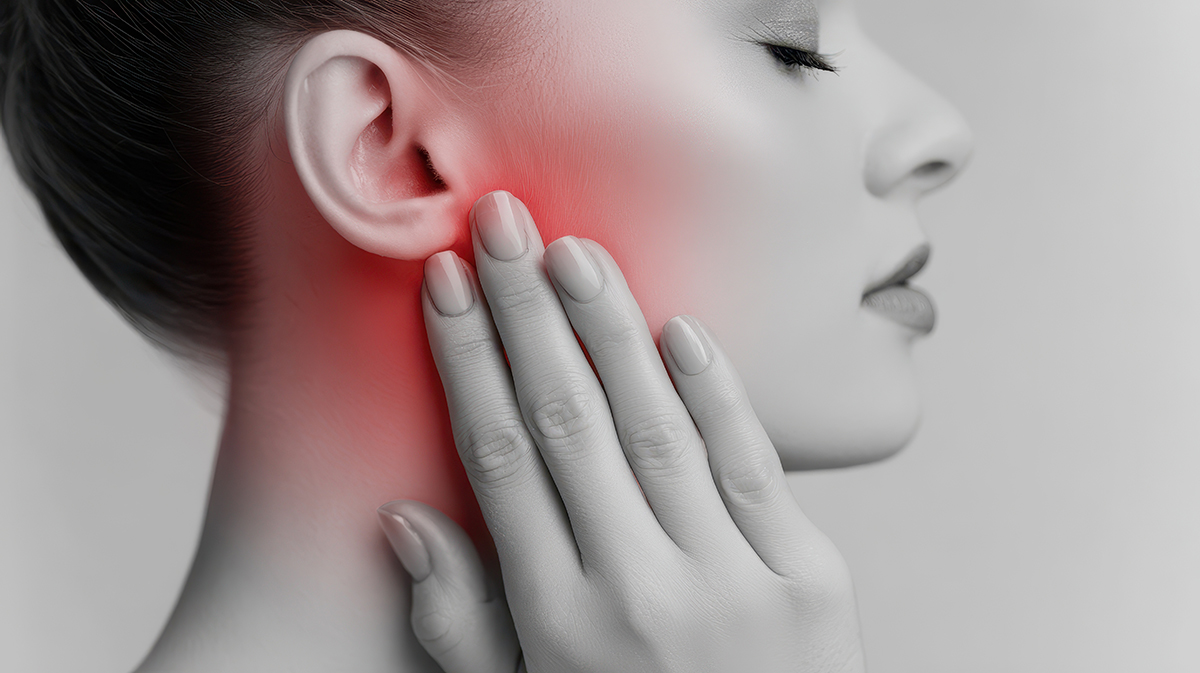
If you've ever experienced jaw pain, clicking or popping when you open your mouth, or headaches that seem to radiate from your jaw — you may be dealing with a TMJ disorder (temporomandibular joint dysfunction).
TMJ issues are more common than you might think. The TMJ Association estimates that over 10 million Americans suffer from TMJ disorders, and it's something I treat regularly at A Good Life Massage Therapy.
What Is the TMJ?
The temporomandibular joint is the hinge joint that connects your jawbone to your skull. You have one on each side of your face, just in front of your ears. These joints work together every time you talk, chew, yawn, or swallow — which means they're some of the most frequently used joints in your body.
Common TMJ Symptoms
- Pain or tenderness in the jaw, especially when chewing
- Aching pain in or around the ear
- Clicking, popping, or grinding sounds when opening or closing the mouth
- Difficulty opening the mouth wide
- Jaw locking in the open or closed position
- Headaches, especially in the temples
- Neck and shoulder pain
- Facial pain or fatigue
What Causes TMJ Disorders?
TMJ issues can result from several factors:
- Teeth grinding or clenching (bruxism) — often stress-related, frequently happens during sleep
- Stress — causes jaw clenching and increased muscle tension
- Arthritis in the joint
- Jaw injury or trauma
- Poor posture — forward head posture puts extra strain on the jaw muscles
- Dental issues — misaligned bite or dental work
How Massage Therapy Helps TMJ
Massage therapy is one of the most effective non-invasive treatments for TMJ disorders. Here's how we approach it:
Releasing the Jaw Muscles
The primary muscles involved in TMJ disorders include the masseter (your main chewing muscle), the temporalis (on the side of your head), and the pterygoids (deep jaw muscles). Through careful, targeted work on these muscles, we can release the tension and trigger points that contribute to TMJ pain.
Addressing the Neck and Shoulders
TMJ issues rarely exist in isolation. The muscles of the jaw are directly connected to the muscles of the neck and shoulders through fascial chains. Tight neck muscles can pull on the jaw, and vice versa. A comprehensive TMJ treatment includes work on the neck, upper back, and shoulders.
Intraoral Massage
For more severe TMJ cases, intraoral massage (working on muscles inside the mouth with gloved hands) can be incredibly effective. This allows direct access to the pterygoid muscles, which are often key contributors to TMJ pain but can't be reached from outside the mouth.
Reducing Overall Stress
Since stress is one of the biggest triggers for jaw clenching and TMJ flare-ups, the relaxation benefits of massage therapy play an important role in managing the condition.
Tips for Managing TMJ at Home
Between massage sessions, try these strategies:
- Be aware of clenching — check in with yourself throughout the day. Are you clenching your jaw? Your teeth should only touch when you're chewing
- Apply moist heat — a warm, damp cloth on the jaw can help relax tight muscles
- Gentle jaw stretches — slowly open your mouth as wide as comfortable, hold for a few seconds, then close. Repeat several times
- Eat softer foods during flare-ups — give your jaw muscles a break from hard or chewy foods
- Avoid excessive gum chewing — this overworks the jaw muscles
- Manage stress — whatever works for you: deep breathing, walks, meditation, exercise
You Don't Have to Live with Jaw Pain
TMJ disorders can be incredibly frustrating, but they're very treatable. Many of my clients see significant improvement in their symptoms after just a few sessions of targeted massage therapy.
If you're dealing with jaw pain, headaches, or any of the symptoms described above, book an appointment and let's work on getting you relief. TMJ treatment is one of my specialties, and I'd love to help.